
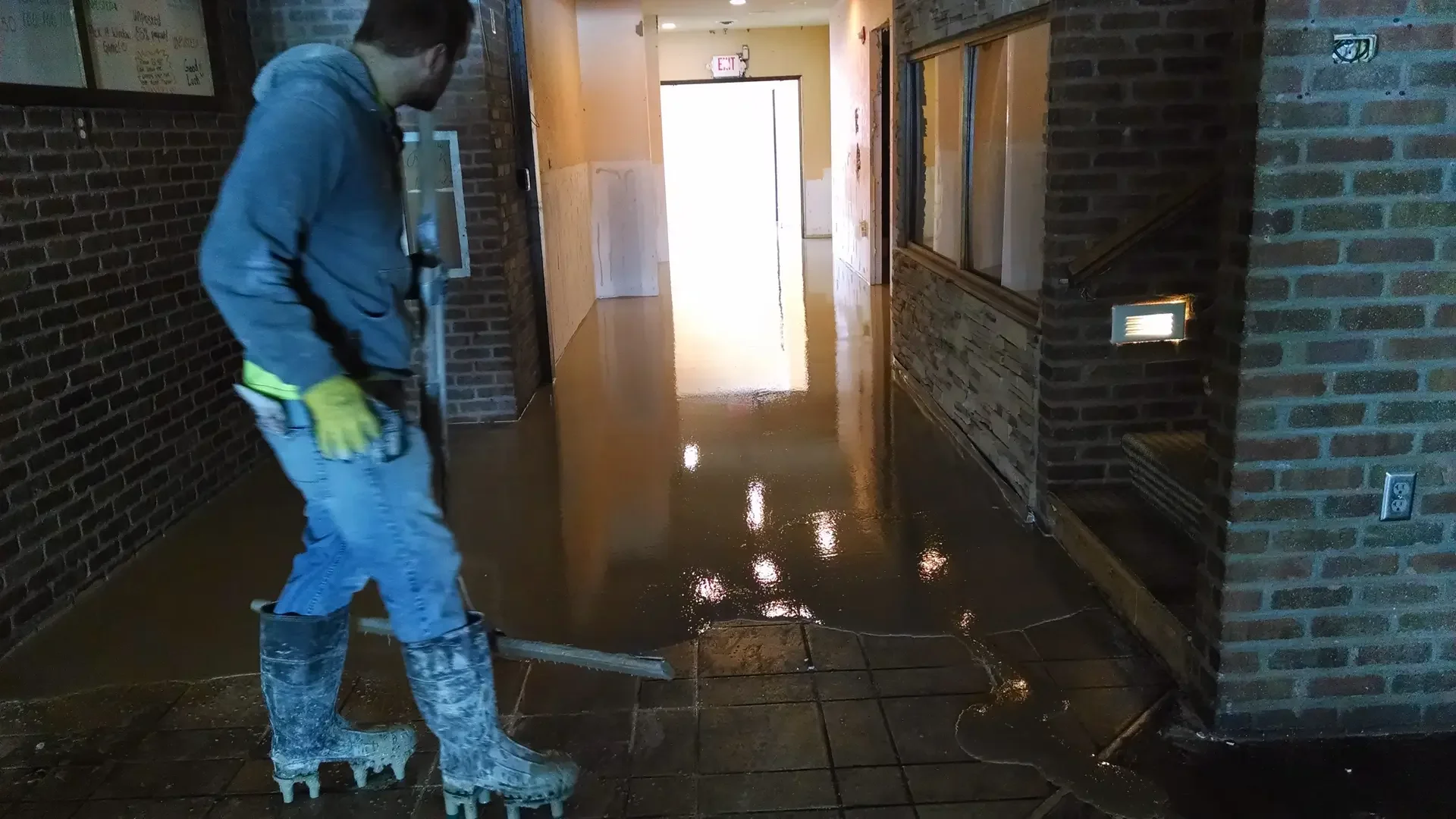
Concrete Grinding vs. Self-Leveling Underlayment: Which Do Uneven Floors in Minneapolis & St. Paul Need?
Published November 12, 2026
Uneven concrete floors usually need one of two corrections: grinding down high spots or pouring self-leveling underlayment to build up low ones. Many floors actually need both, depending on how far out of level or out of flat the slab is, how much finished-floor height is available, the condition of the substrate, and the flooring system planned for the space. For homes and businesses across the Twin Cities metro, including Minneapolis and St. Paul, getting this decision right before new flooring goes down can prevent bigger problems later.
What Each Method Actually Fixes
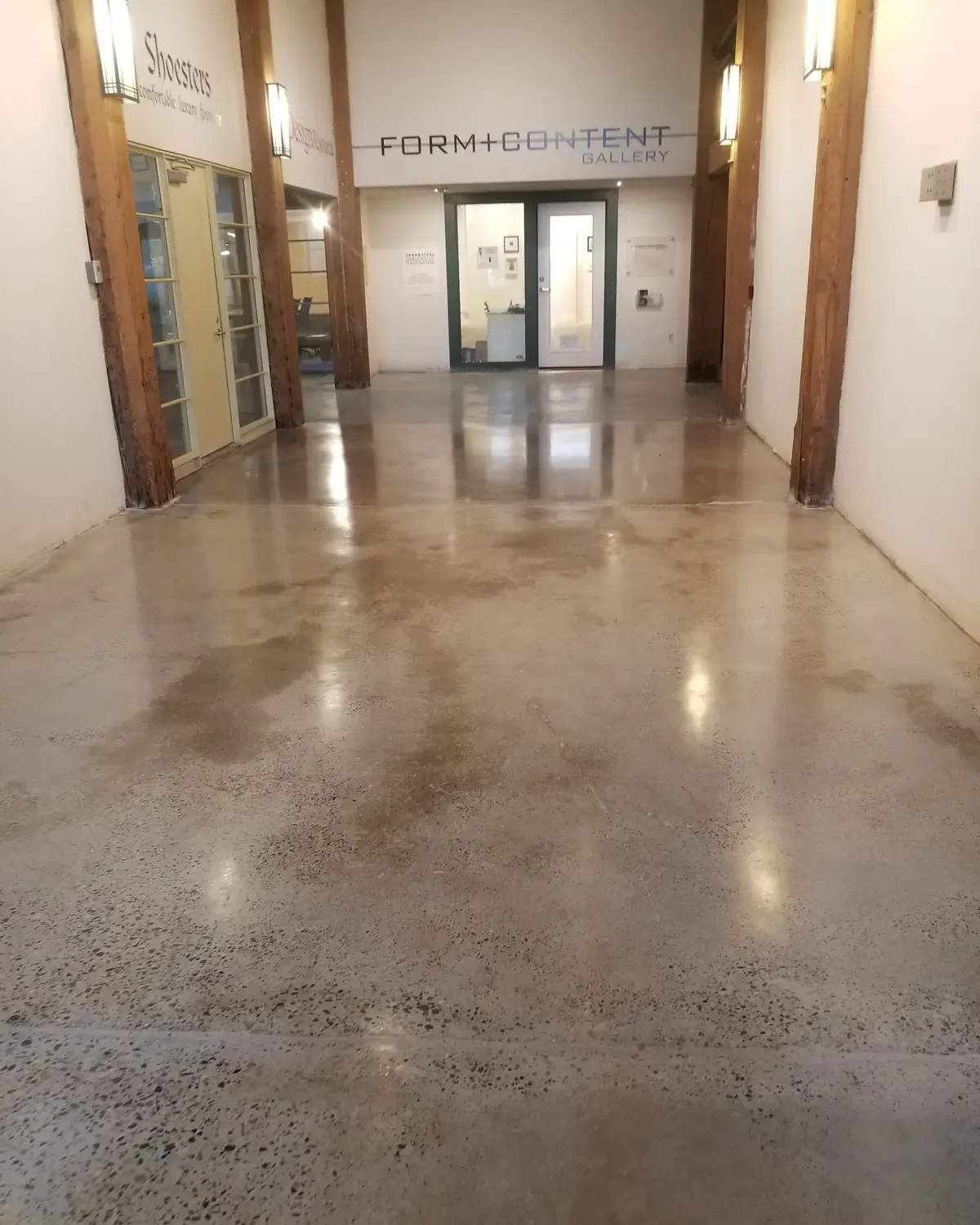
Concrete grinding and self-leveling underlayment solve opposite problems, and confusing the two is one of the most common planning mistakes.
| Method | What It Does | What It Does Not Fix |
|---|---|---|
| Concrete Grinding | Mechanically removes high spots, ridges, and surface irregularities | Low spots, moisture issues, or active cracks |
| Self-Leveling Underlayment | Pours a cementitious material to fill low spots and build a flat, consistent surface | Surface preparation, moisture control, or structural cracks on their own |
It also helps to separate two terms that sound similar but mean different things. A floor can be flat, meaning it has no high or low spots relative to itself, without being level, meaning perfectly horizontal. ARDEX notes that large-format tile installations do not always require a level floor, but they do require a flat substrate. That distinction matters because it changes what actually needs correcting, and by how much, based on the flooring manufacturer's own requirements rather than one universal standard.
Why Pouring a Leveler Does Not Skip Surface Preparation
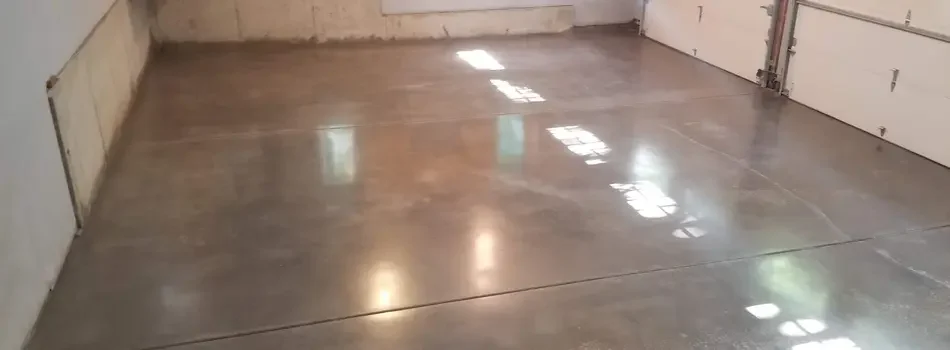
Self-leveling underlayment is sometimes treated as a shortcut that avoids the work of preparing a substrate. In practice, the material still needs the right surface to bond to. USG's guidance on self-leveling underlayment preparation calls for assessing substrate quality and removing weak surface layers first, and lists diamond grinding among the mechanical preparation methods used to get there. That is often how grinding and leveling end up working together on the same floor rather than as competing options.
Moisture and structural issues are also separate decisions from leveling. A smoother surface does not resolve an underlying moisture problem, and moving joints or active cracks cannot simply be poured over and forgotten. Preparation chemistry matters too, since manufacturer instructions for cementitious leveling products commonly prohibit acid etching, adhesive removers, solvents, or sweeping compounds as bond breakers, and the wrong residue can keep a leveler from bonding correctly. For commercial and residential projects, Above The Rest Floors & More handles concrete surface preparation as part of getting a substrate ready before any leveling or finish work begins.
What Actually Determines the Right Fix
The right approach depends on a handful of measurable factors rather than how uneven a floor looks at a glance:
- How much elevation difference exists across the floor, and where
- How much finished-floor height is available once new flooring is added
- The condition of the existing substrate, including cracks or weak surface layers
- Whether moisture is present or needs to be addressed separately
- The flooring system planned for the space, such as carpet, tile, hardwood, or VCT, since each has different flatness and levelness requirements
Correction depth and preparation scope matter more than square footage alone when comparing quotes or timelines, since material needs change with how much buildup or grinding a given area actually requires. Drying and readiness times also vary by product, depth, and jobsite conditions such as temperature and humidity, so being able to walk on a surface is not the same as it being ready for finished flooring.
How Above The Rest Floors & More Approaches Floor Correction
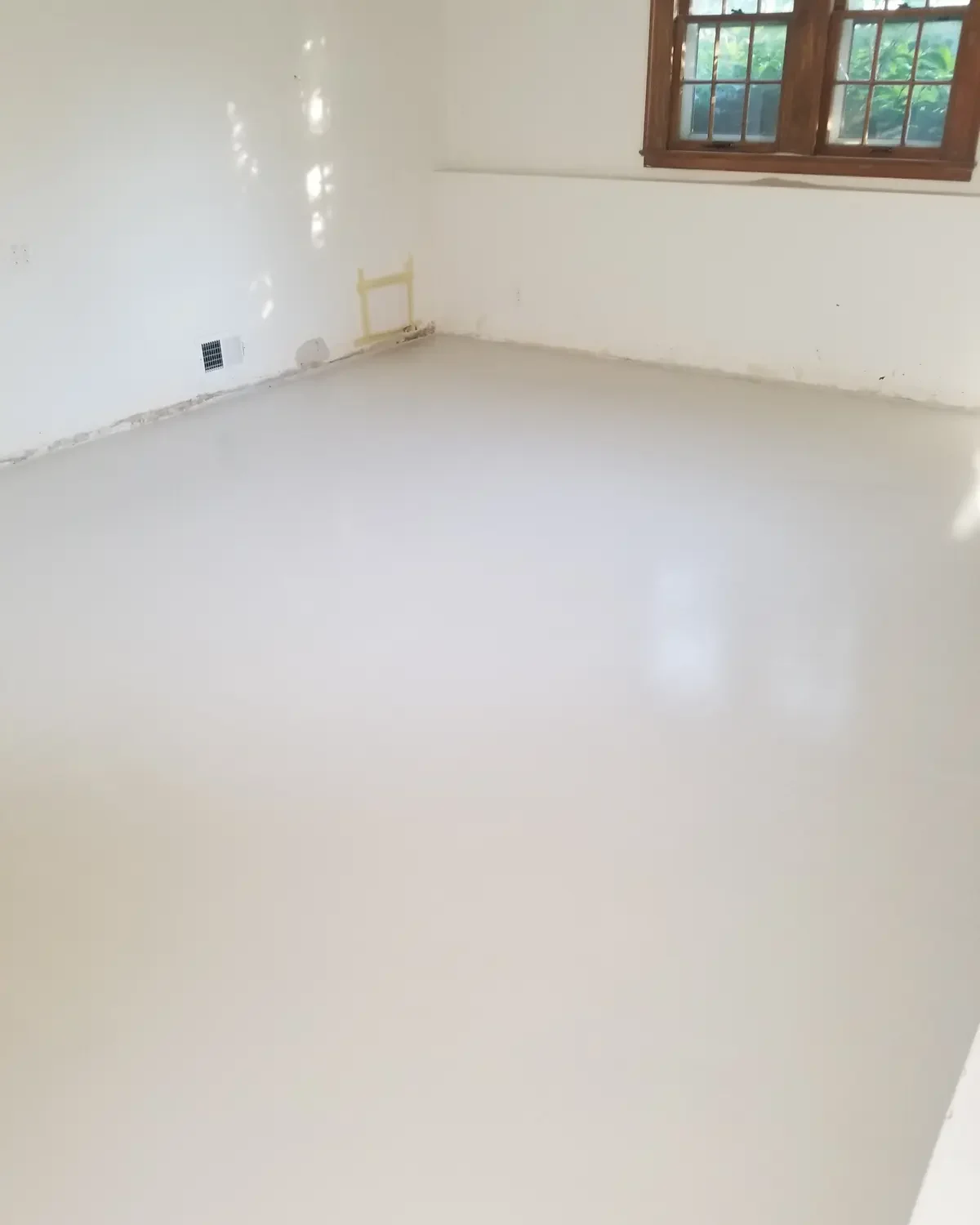
Above The Rest Floors & More works through floor correction by evaluating the substrate, the installation depth needed, moisture conditions, and the finished-floor requirements of the project. From there, the process moves into reviewing the right system, preparing and priming the substrate appropriately, placing the material, and checking that the floor is ready for the next step. Installed systems can include products from manufacturers such as ARDEX, MAPEI, Schonox, and Combimix, selected based on the specifics of the job. You can see this process in more detail on the cementitious underlayment page.
Above The Rest Floors & More offers self-leveling underlayment, basement floor leveling, residential concrete floor leveling, and commercial floor leveling for properties across the Twin Cities metro. The team is also a USG Levelrock-certified gypsum underlayment installer, which applies specifically to that certified product line rather than every cementitious system used on a job.
Schedule an Assessment for Your Floor
If a floor in your Minneapolis, St. Paul, Fridley, Roseville, or Anoka property has dips, ridges, or uneven spots, Above The Rest Floors & More can evaluate the substrate and recommend whether grinding, self-leveling underlayment, or a combination of both is the right fix before new flooring goes down. Call (651) 463-1250 to schedule a visit for your Twin Cities metro property.

About the author
Nick Winscher
Sales Manager / Senior Project Manager
Nick brings more than 20 years of commercial construction and flooring experience to project planning, underlayments, floor leveling, and delivery.