ATR Floors and More
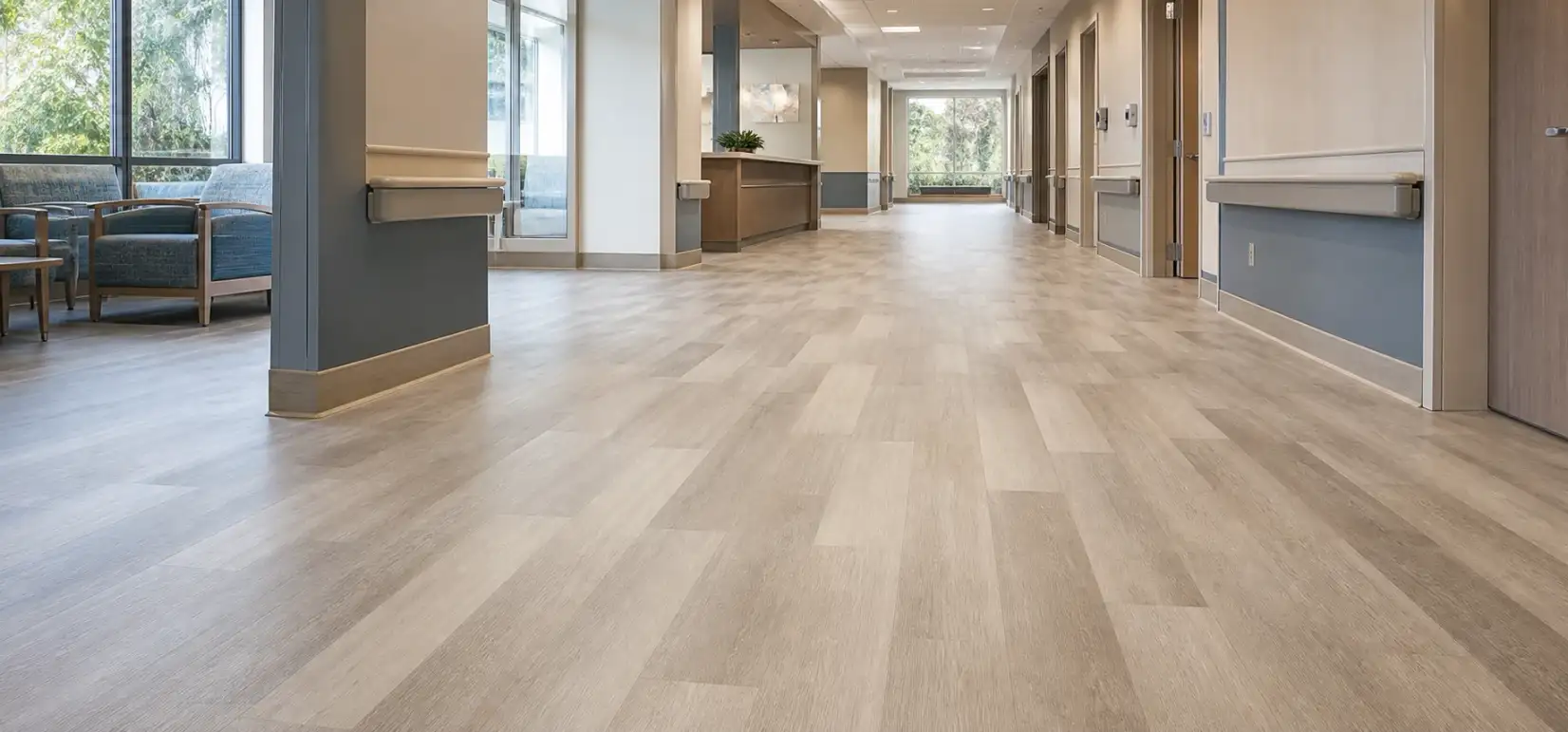
Commercial resilient LVT flooring in a modern healthcare corridor
Commercial Resilient Flooring

Commercial Resilient & LVT Flooring in Minneapolis, St. Paul & the Twin Cities

Commercial vinyl flooring installation accounts for more square footage in Twin Cities hospitality, healthcare, multifamily, and education projects than any other floor covering category. The material is versatile, durable, and cost-effective — but it is also the floor covering most sensitive to substrate moisture and flatness failures, which means the installation is only as good as the prep work underneath it. ATR Floors installs resilient flooring with Clean Slate Process substrate preparation and moisture mitigation included under a single turnkey contract.

LVT / Sheet

Vinyl Plank, Rubber

ASTM F2170

Moisture Tested

Turnkey

Tear-Out Through Finished Floor

Problems We Solve

Resilient & LVT Flooring for Healthcare, Education & Multifamily Across Minneapolis & St. Paul, MN

Our resilient scope covers sheet vinyl, LVT, vinyl plank, and rubber flooring, installed over substrates we prepare and level in the same contract.

Rolling Loads and Heavy Traffic

The problem

Carts, beds, equipment, foot traffic, and cleaning cycles are exposing weak seams, adhesives, or products.

How ATR solves it

ATR matches resilient flooring, adhesive, welding, and preparation to the facility’s traffic and maintenance profile.

Substrate Defects Are Telegraphing

The problem

High spots, joints, patches, and uneven concrete are visible through LVT, sheet vinyl, rubber, or plank flooring.

How ATR solves it

ATR repairs, levels, and prepares the substrate before the finished material is installed.

Moisture Is Threatening Adhesion

The problem

Slab readings exceed product limits or an existing resilient floor is bubbling, cupping, or releasing.

How ATR solves it

ATR tests, mitigates, and documents the slab as part of the same flooring project.

Occupied Areas Need Phased Replacement

The problem

Healthcare, education, hospitality, or multifamily spaces must remain safe and operational during work.

How ATR solves it

ATR coordinates removal, preparation, installation, transitions, and turnover in controlled phases.

What We Install

Resilient Flooring Categories

Resilient flooring is specified when the project needs a durable, moisture-resistant, easy-to-maintain floor covering at a cost point below tile and wood. It is the standard in hospitality guest rooms, healthcare corridors, multifamily units, and education facilities.

LVT (Luxury Vinyl Tile)

The dominant commercial resilient floor covering. Reproduces wood, stone, and concrete aesthetics at a fraction of the cost. Glue-down, click-lock, or loose-lay. Substrate flatness and moisture are critical because LVT telegraphs every imperfection.

Sheet Vinyl

Continuous-roll vinyl in 6 to 12-foot widths. Seamless, with heat-welded seams in healthcare, cleanroom, and food service for infection control and hygiene. Hospital corridors, patient rooms, operating suites, K-12 classrooms.

Vinyl Plank

Individual plank-format vinyl that mimics hardwood with the moisture resistance and durability of vinyl. Glue-down, click-lock, and loose-lay formats for multifamily, hospitality, retail, and office.

Rubber Flooring

Sheet rubber and rubber tile for exceptional durability, sound absorption, and slip resistance. Commercial kitchens, athletic facilities, healthcare back-of-house, and education gymnasiums.

Substrate Prep & Moisture

Existing flooring and adhesive removed via the Clean Slate Process. ASTM F2170 RH testing on every project. Self-leveling compound applied where flatness tolerances are not met. Moisture mitigation when readings exceed adhesive thresholds.

Phased Installation

LVT and vinyl plank installed in occupied facilities using a phased approach — zone by zone, after-hours or weekends. Low-VOC adhesive systems minimize odor. Sheet vinyl phased in larger facilities.

Why ATR

Why Choose ATR for Resilient Flooring

Moisture-First Workflow

Resilient is the most moisture-sensitive floor covering. We test every substrate per ASTM F2170 and mitigate before installation.

Clean Slate Tear-Out

Chemical removal of existing resilient, carpet, adhesive, and coatings — no grinding dust, no hazmat aerosolization.

Substrate Leveling Included

Self-leveling compound or cementitious underlayment where flatness tolerances are not met. LVT and sheet vinyl require flatter substrates than carpet or tile.

2-Year Workmanship Warranty

Written warranty on adhesion, seam integrity, and installation quality. Manufacturer material warranties apply separately.

Related Service

Adhesive Removal Before Resilient Flooring

Remove existing flooring adhesive and prepare the concrete for self-leveling underlayment, moisture mitigation, or the specified resilient-flooring system.

Explore Adhesive Removal
FAQ

Frequently Asked Questions

What is the most common commercial resilient flooring product?

LVT (luxury vinyl tile) is the most commonly specified commercial resilient product, particularly in hospitality, multifamily, and senior living. Sheet vinyl remains the standard in healthcare and cleanroom environments. Rubber is dominant in athletic and back-of-house applications.

How critical is moisture testing before resilient flooring installation?

Critical. Resilient flooring adhesive is among the most moisture-sensitive adhesive systems in commercial flooring. An elevated slab moisture reading (above 75% to 80% RH per ASTM F2170) will cause adhesive failure, plank cupping, and bubbling — often within 6 to 18 months of installation. We test every substrate and mitigate before installation. Skipping this step is the single most common cause of resilient flooring warranty claims.

Can you install resilient flooring in occupied buildings without disruption?

Yes. LVT and vinyl plank can be installed in occupied facilities using a phased approach — zone by zone, after-hours or over weekends. Low-VOC adhesive systems minimize odor. Sheet vinyl installations require more contiguous floor access but can still be phased in larger facilities.

What about indoor air quality during installation?

We use low-VOC, Green Label Plus certified adhesive systems for all occupied-space installations. Resilient flooring materials from major manufacturers are tested and certified for low VOC emissions. Off-gassing typically falls to undetectable levels within 24 to 72 hours.

How do you handle phased installation in a 200-unit multifamily building?

Unit-by-unit or floor-by-floor, coordinated with the GC's master schedule. For new construction, we install after drywall, paint, and millwork are complete and the HVAC is operational. For renovation, we phase around occupied units with 48-hour notice and temporary furniture relocation.

The Floor the Twin Cities Installs More Than Any Other. Make Sure the Substrate Is Right.

Include floor type, sq ft, substrate condition, and project schedule. We respond within one business day.